
Call: 08045478551
 Send Inquiry
 Send Inquiry
G S Spider Coupling
Price 150 INR/ Piece
MOQ : 100 Pieces
G S Spider Coupling Specification
- Head Code
- Round/Standard
- Torque
- 10 Nm to 1350 Nm (depending on size)
- Connection
- Jaw Type/Clamping
- Sealing
- No Sealing Required
- Max. Speed
- up to 8000 RPM
- Bore
- Pilot Bore or Finished Bore
- Usage
- HYDRAULLIC MACHINE
- Material
- Polyurethane
- Structure
- Gear
- Standard
- DIN/ISO or Equivalent
- Inner Diameter
- 8 mm to 80 mm (depending on model)
- Product Type
- GEAR
- Outer Diameter
- Up to 120 mm (depending on model)
- Color
- Red
- Application
- Flexible power transmission, absorption of misalignment and vibration damping in mechanical systems
- Surface Treatment
- Anodized
- Technique
- Machined
- Shape
- Round
- Temperature Range
- -30C to +80C
- Usage Environment
- Suitable for general industrial machinery, pumps, compressors, and conveyor systems
- Number of Jaws
- Three Jaws (Standard Design)
- Damping Capacity
- Provides vibration and shock absorption
- Misalignment Capability
- Accommodates angular, parallel, and axial misalignment
- Hardness of Spider
- 92 Shore A Polyurethane
- Weight
- Varies with size; Lightweight construction
- Maintenance
- No lubrication required
- Corrosion Resistance
- Good (Depends on surface treatment and materials used)
- Color
- Body: Metallic Grey, Spider: Yellow/Red
G S Spider Coupling Trade Information
- Minimum Order Quantity
- 100 Pieces
- Payment Terms
- Cash in Advance (CID)
- Supply Ability
- 50000 Pieces Per Month
- Delivery Time
- 1 - 7 Days
- Main Domestic Market
- All India
About G S Spider Coupling
G S Spider Coupling is a type of coupling used in power transmission systems to connect two rotating shafts. It is commonly used in applications where there is a need for high torque transmission and misalignment compensation. The G S Spider Coupling consists of two hubs with curved jaws and a spider-shaped element made of elastomer material.
Reliable Shock and Vibration Damping
The G S Spider Coupling features a high-quality polyurethane spider, which acts as a buffer to absorb shocks and dampen vibrations. This design feature helps in prolonging the lifespan of connected machinery and maintaining smoother operation in demanding environments.
Versatile Range and Easy Integration
Available with both pilot bore and finished bore options, the coupling supports a wide inner diameter range from 8 mm to 80 mm and accommodates outer diameters up to 120 mm. Its jaw-type clamping mechanism and round gear structure ensure versatility and hassle-free installation across various industrial machines.
Maintenance-Free Performance
Benefit from minimal upkeep, thanks to the coupling's no-lubrication requirement and resistant machined surfaces. Good corrosion resistance and a robust polyurethane build allow reliable operation, reducing downtime and maintenance costs for manufacturers and suppliers.
FAQ's of G S Spider Coupling:
Q: How does the G S Spider Coupling accommodate misalignment in mechanical systems?
A: The coupling's three-jaw design and flexible polyurethane spider enable it to absorb angular, parallel, and axial misalignments between connected shafts. This flexibility helps reduce wear and tear on machinery components, enhancing system reliability.Q: What are the primary benefits of using a G S Spider Coupling in industrial machinery?
A: Key benefits include vibration and shock absorption, maintenance-free operation due to no lubrication requirements, compatibility with various bore sizes, and the ability to accommodate misalignment. These enhance machinery longevity and operational stability.Q: When should I choose a spider coupling with a 92 Shore A hardness?
A: Opt for the 92 Shore A hardness spider when your application requires high vibration damping and shock absorption. This hardness level provides a balanced combination of flexibility and resistance for general industrial equipment like pumps, compressors, and conveyor systems.Q: Where can the G S Spider Coupling be installed?
A: This coupling is suitable for installation in a range of industrial settings, including hydraulic machinery, compressors, pumps, and conveyors. Its corrosion resistance and flexible mounting options make it a practical choice for manufacturers, dealers, and suppliers throughout India.Q: What is the process for installing a G S Spider Coupling?
A: Installation involves aligning the shafts, securing the jaws or clamping mechanism on both sides of the spider, and tightening fasteners according to machinist specifications. The pilot or finished bore options allow precise matching to shaft dimensions.Q: How does the surface treatment affect the performance of the coupling?
A: Surface treatments such as anodizing improve the coupling's corrosion resistance, increasing its operational lifespan, especially in harsh industrial environments. The level of protection depends on the materials and the specific treatment applied.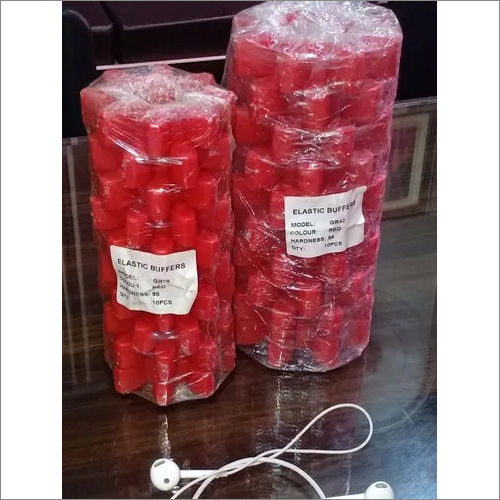
Tell us about your requirement

Price:
Quantity
Select Unit
- 50
- 100
- 200
- 250
- 500
- 1000+
Additional detail
Mobile number
Email

More Products in GR Spider Coupling Category
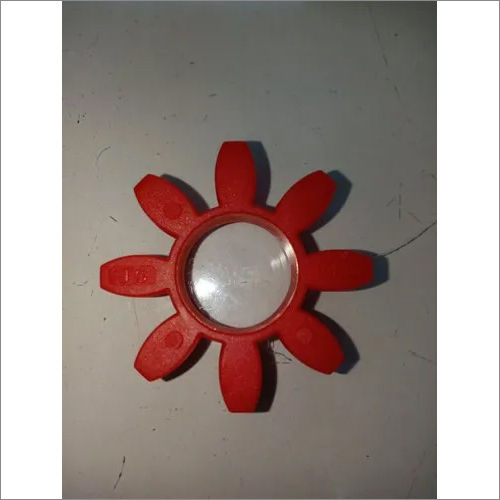
GR Spider Coupling
Price 150 INR / Piece
Minimum Order Quantity : 100 Pieces
Material : Other
Inner Diameter : 6 mm to 100 mm (custom sizes available)
Bore : Pilot, Finished, and Customizable
Outer Diameter : 30 mm to 150 mm (custom sizes available)

Contact Details
CLW SEALS INDIA
Delhi, India
- K-393,SITE 5, KASNA INDL. AREA, GREATER NOIDA, Gautam Buddh Nagar - 201306, Uttar Pradesh, India
- Phone :08045478551
 Send Inquiry
Developed and Managed by Infocom Network Private Limited.
